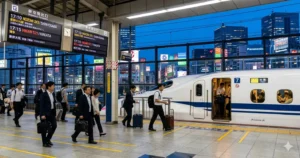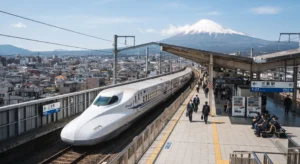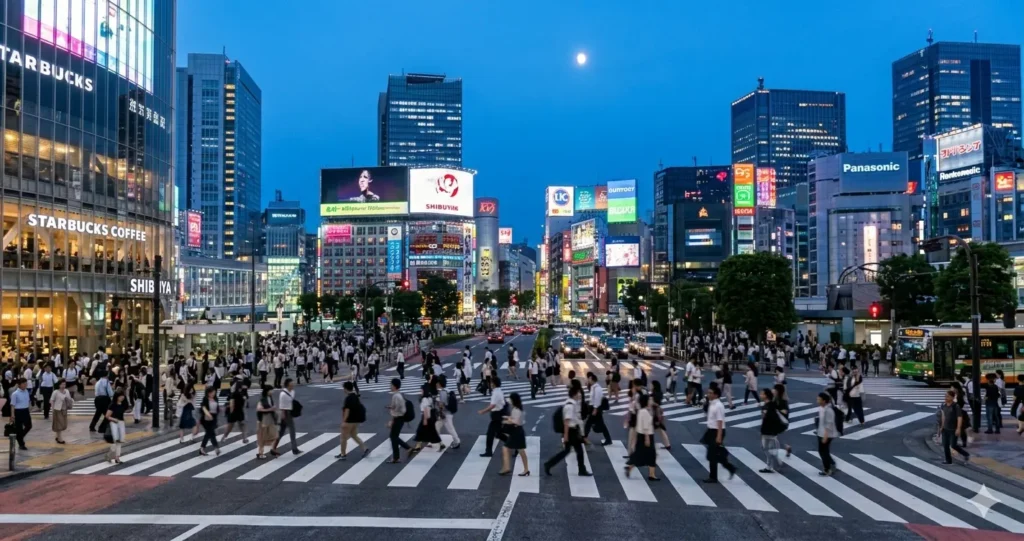
Tokyo has 13 million people and runs like a mechanism. Trains arrive within 30 seconds of schedule. Nobody eats while walking. The noise level in a busy restaurant is lower than a quiet café in London. Understanding this before you arrive means you stop mistaking the order for coldness. It is not coldness. It is an entirely different social contract.
My first morning in Tokyo, I stood at a Shibuya crosswalk watching 2,000 people cross without a single collision or shouted word. The light changed. Everyone moved. Everyone stopped. I had flown in from New York, where crossing the street is a contact sport. This was different.
This tokyo travel guide covers neighborhoods that make sense for first-time visitors, exact transit costs, where to stay without overpaying, and the cultural rules that keep you from standing out as the person who doesn’t understand. You’ll learn what to do, where to eat, and—just as importantly—what to skip.
Quick Overview
Tokyo is not one city; it is 23 wards that function as independent cities stitched together by the world’s most efficient rail network. Each ward has its own character. Shinjuku is vertical and loud. Yanaka feels like 1960s Tokyo survived. Tsukiji serves sushi at 5am to fish market workers, not tourists.
Best time to visit: Late March–early April for cherry blossoms (book 6 months ahead), or October–November for autumn colors and clear skies. June–July is tsuyu (rainy season)—persistent drizzle, 90% humidity. Avoid if you can. August is brutally hot and humid, plus Obon holiday crowds.
Getting there: Narita (NRT) is 60km east, Haneda (HND) is 18km south. Haneda is closer and cheaper to reach. Narita Express: ¥3,070, 90 minutes to Tokyo Station (2025–2026 rates — verify before travel). Haneda monorail: ¥500, 20 minutes to Hamamatsuchō.
Currency: Japan runs on cash more than you expect. Many ramen shops, ticket machines, and small restaurants accept cash only. Bring a card for hotels and department stores, but keep ¥20,000–30,000 in cash on hand.
Top Things to Do
Meiji Jingu at 7am. Not noon. By 11am, tour groups flood the path to this Shinto shrine in Shibuya. At 7am, you walk the 1km forested approach with salarymen in suits heading to work and the occasional shrine maiden sweeping gravel. The wood structures smell like cypress. The silence is real.
Tsukiji Outer Market for breakfast, not sushi. The inner wholesale market moved to Toyosu in 2018, but the outer market remains—a grid of 400 shops selling knives, pickles, dried fish, and tamagoyaki so fresh it’s still warm. Go hungry. Try the grilled scallop on a stick (¥500), the uni (sea urchin) handed to you in a shell (¥1,000), and the dashimaki tamago from Marutake (¥400). Arrive by 8am. Shops close by 2pm.
Yanaka Ginza for old Tokyo. This 200m street in Taito ward survived WWII bombing and 1960s development. Cats outnumber tourists. Old ladies sell taiyaki (fish-shaped cakes) from shops that have been there 50 years. The Yanaka Cemetery, Tokyo’s largest, borders the street—600,000 graves, cherry trees, zero tourists. Take the Nippori exit from JR Yamanote Line.
TeamLab Planets in Toyosu. Yes, it’s Instagram. Yes, it’s worth it. You walk barefoot through water, light projections, and crystal LED chambers. It is 90 minutes of controlled wonder. Book online 2 weeks ahead. ¥3,200 adults (2025–2026 rates — verify before travel). Go at opening (9am) or after 7pm to avoid school groups.
What guidebooks get wrong: Senso-ji Temple in Asakusa. It is beautiful and historic, but the Nakamise-dori approach is 250m of souvenir stalls selling identical keychains and “authentic” snacks made in China. If you go, arrive at 6:30am before the stalls open. Walk the temple grounds in silence. Leave before 9am.
Where to Stay
Shinjuku for transit access and nightlife. Five train lines converge here. You can reach anywhere in Tokyo within 30 minutes. The downside: Shinjuku Station is a maze with 200 exits. You will get lost your first three times. Hotel prices: ¥10,000–18,000/night for business hotels like APA or Dormy Inn (2025–2026 rates — verify before travel).
Shibuya for first-timers who want energy. Younger crowd, better shopping, easier to navigate than Shinjuku. The station is still complex but less overwhelming. Stay near Shibuya Station’s Hachiko exit for convenience. Hotel prices: ¥12,000–20,000/night.
Ueno for budget travelers and families. Quieter, cheaper, direct airport access via Keisei Skyliner. Ueno Park has museums, a zoo, and cherry blossoms. The Ameyoko market street runs under the train tracks—bargain hunting, street food, zero English. Hotel prices: ¥7,000–12,000/night.
Avoid: Tokyo Station area. It is expensive, corporate, and empties out after 7pm when offices close. You will pay 30% more for a hotel room and walk 20 minutes to find an open restaurant.
Getting Around
Tokyo’s transit system is three layers: JR lines (above ground, long-distance), Tokyo Metro (subway, 9 lines), and Toei Subway (subway, 4 lines). They are operated by different companies but connect seamlessly.
Buy a Suica or Pasmo IC card at any station ticket machine. These are reloadable contactless cards you tap at turnstiles. They work on trains, subways, buses, and even at convenience stores and vending machines. Initial cost: ¥2,000 (¥500 refundable deposit + ¥1,500 credit). Reload at any machine.
The JR Pass question: A 7-day JR Pass costs ¥50,000 (2025–2026 rates — verify before travel). To break even, you need ¥29,000+ in JR travel. Tokyo–Kyoto round-trip is ¥27,000. If you’re only in Tokyo, the pass is a loss. Buy a Suica card instead. If you’re doing Tokyo–Kyoto–Tokyo in 7 days, the pass makes sense. Do the math for your itinerary.
Google Maps works perfectly. It tells you the exact car to board for fastest transfer, which exit to use, and platform numbers. Download offline maps before arrival.
Taxis are expensive. Starting fare: ¥500 for first 1.052km, then ¥100 per 237m (2025–2026 rates — verify before travel). A 20-minute ride costs ¥5,000–7,000. Use taxis only with luggage or after midnight when trains stop (around 1am).
Budget Guide
Tokyo is not the $10/day destination it was in 2010. Realistic daily budgets for 2025–2026:
Budget: ¥8,000–12,000/day ($55–85 USD)
- Hostel dorm: ¥3,000–4,000
- Convenience store breakfast: ¥500
- Ramen lunch: ¥900
- Street food/snacks: ¥1,000
- IC card transit: ¥1,000
- One paid attraction: ¥1,000–2,000
- Convenience store dinner: ¥800
Mid-range: ¥15,000–25,000/day ($100–170 USD)
- Business hotel: ¥10,000–15,000
- Café breakfast: ¥1,000
- Restaurant lunch: ¥1,500
- Museum/attraction: ¥1,500–2,500
- IC card transit: ¥1,000
- Restaurant dinner: ¥3,000–5,000
Street food reality: A bowl of ramen at a Shinjuku counter: ¥800–1,200. Onigiri from 7-Eleven: ¥150–250. Takoyaki (octopus balls) at a festival stall: ¥500 for 6 pieces. Coffee at a café: ¥400–600. Beer at a convenience store: ¥250. Beer at a bar: ¥700–1,000.
What costs more than expected: Alcohol at restaurants. A beer is ¥700–1,000. A cocktail is ¥1,200–1,800. Buy drinks at convenience stores if you’re budget-conscious.
What costs less than expected: Transit. A typical cross-town journey costs ¥200–400. Museum entry: ¥500–1,500. Public baths (sento): ¥400–500.
Sample Itinerary
Day 1: Shinjuku orientation
- Morning: Arrive, drop bags at hotel, buy Suica card
- Afternoon: Tokyo Metropolitan Government Building (free observation deck, 45th floor)
- Evening: Omoide Yokochō (Piss Alley) for yakitori—tiny alley with 20 stalls, ¥500–800 per skewer
- Night: Shinjuku Gyoen if you arrive before 4pm (¥500 entry, closes 4:30pm in winter)
Day 2: Shibuya and Meiji
- 7am: Meiji Jingu shrine walk
- 9am: Harajuku Takeshita Street (go early to avoid crowds)
- 11am: Shibuya Crossing, Hachiko statue
- Lunch: Ramen at Afuri (yuzu shio ramen, ¥990)
- Afternoon: TeamLab Planets in Toyosu (book ahead)
- Evening: Shibuya Sky observation deck (¥2,000, sunset slot)
Day 3: Old Tokyo
- 6:30am: Senso-ji Temple before crowds
- 8am: Tsukiji Outer Market breakfast
- 10am: Tsukiji to Ginza walk (15 minutes)
- Afternoon: Imperial Palace East Gardens (free, closed Mon/Fri)
- 4pm: Yanaka Ginza street walk
- Evening: Ueno Ameyoko market for dinner
Day 4: Choose your adventure
- Option A: Day trip to Nikko (2 hours north, Toshogu Shrine, ¥5,000 round-trip train)
- Option B: Akihabara (electronics, anime, maid cafés if that’s your interest)
- Option C: Koenji vintage shopping and izakaya hopping
Pro Tips
Convenience stores are your friend. 7-Eleven, Lawson, and FamilyMart are everywhere. They sell onigiri, bentos, coffee, beer, and ATM withdrawals (international cards work here when bank ATMs don’t). The egg salad sandwich at 7-Eleven is legitimately good.
Trash cans are rare. Japan has almost no public trash cans. You carry your trash until you find one (usually at convenience stores or train stations) or return to your hotel. Bring a small bag for trash.
Quiet on trains. Phone calls are prohibited. Set your phone to silent mode (manner mode). Conversations are whispered. This is strictly observed.
Shoes off rule: Remove shoes when entering temples, traditional restaurants, ryokan, and some homes. Look for the step up or shoe cubbies. Slip-on shoes make this easier.
No tipping. Service is included. Leaving money causes confusion. A bow and “arigatou gozaimasu” is correct.
Hotel rooms are small. A “double” room is 12–15 square meters. You cannot open two suitcases on the floor at the same time. This is normal. Pack light.
Learn five phrases:
- Sumimasen (excuse me/sorry)
- Arigatou gozaimasu (thank you)
- Kore o kudasai (this one, please—point while saying it)
- Toire wa doko desu ka (where is the bathroom?)
- Eigo no menyū arimasu ka (do you have an English menu?)
Frequently Asked Questions About Tokyo
Is Tokyo safe for solo travelers?
Yes. Tokyo is one of the safest cities in the world for solo travelers, including women. Violent crime is rare. Pickpocketing is uncommon. You can walk alone at 2am in most areas without concern. The main risk is getting lost in Shinjuku Station. Normal precautions apply: watch your drink, don’t follow touts into bars in Kabukicho, and keep your hotel card with the address in Japanese.
Do I need to speak Japanese to visit Tokyo?
No, but learning basic phrases helps. Most train stations have English signage. Major restaurants in tourist areas have English menus or picture menus. Google Translate’s camera function works well for reading signs. In neighborhoods like Yanaka or Koenji, English is less common—pointing and smiling works. Japanese people are patient with language barriers and appreciate effort.
What should I pack for Tokyo?
Comfortable walking shoes (you will walk 15,000–20,000 steps/day). Slip-on shoes for temple visits. A light rain jacket (umbrellas break in wind; buy a cheap one at a convenience store if needed). A power bank (you will use Google Maps constantly). A small daypack for carrying trash and water. Layers—indoors are heavily air-conditioned in summer, heated in winter.
Can I drink tap water in Tokyo?
Yes. Tokyo tap water is safe to drink and meets strict quality standards. Many Japanese people still buy bottled water out of habit, but the tap water is fine. Bring a reusable bottle and refill at hotels or public fountains. Convenience stores sell 500ml water bottles for ¥100–150 if you prefer bottled.
Continue Exploring
- Japan travel guide — Expand beyond Tokyo with our complete Japan pillar guide covering Kyoto, Osaka, and the Japanese Alps with exact rail costs and regional itineraries.
- Kyoto travel guide — Go deeper into Japan’s ancient capital with temple-by-temple walking routes, ryokan recommendations, and the best times to visit Fushimi Inari without crowds.