The first thing you notice isn’t the neon. It’s the silence.
Tokyo station at 8:40am is moving thousands of people at once, and yet the only sound is footsteps and the soft chime of train doors closing exactly on time. I missed my first train by 40 seconds on my first trip. The next one arrived three minutes later, exactly where the floor markings said it would. That was the moment the trip started making sense.
Japan rewards precision. Not perfection — precision.
This japan 1 week itinerary is built around that idea. Not a checklist of attractions, but a sequence that fits how the country actually works: trains that run on time, cities that shift personality by district, and a pace that punishes overpacking your schedule.
You’ll cover Tokyo and Kyoto in seven days with real transport timings, realistic costs, and the trade-offs most guides avoid.
Overview
Seven days in Japan means one major decision: stay in one region or split between two.
This itinerary splits. Tokyo and Kyoto.
It works because the Shinkansen between them takes about 2 hours 15 minutes (Nozomi service, fastest category — JR Pass restrictions apply). That makes the transfer day manageable without losing the entire day to travel.
Here’s the structure:
- Days 1–3: Tokyo
- Day 4: Travel to Kyoto
- Days 5–6: Kyoto
- Day 7: Departure
Why not add Osaka? Because you don’t have time to do it properly. Osaka deserves at least one full day. Cramming it into this schedule turns the trip into transit.
Day-by-Day Breakdown
Day 1: Arrival in Tokyo
Land at Narita or Haneda. Both work.
Narita Express into the city: ~60 minutes.
Haneda train: ~30 minutes.
Check into your hotel, but don’t plan anything ambitious.
Walk your neighborhood instead. If you’re staying in Shinjuku, that means narrow alleys like Omoide Yokocho. If you’re in Ginza, it means wide streets and department store basements where dinner is sold in perfect rows.
The best first meal I had in Tokyo cost ¥1,100 — grilled fish, rice, miso soup — in a basement food hall under Tokyo Station. No line. No guidebook mention.
Jet lag will hit early. Let it.
Day 2: Tokyo — Shibuya & Shinjuku
Morning in Shibuya.
Yes, the crossing is crowded. But the detail most people miss is the rhythm — pedestrians move diagonally with almost no collisions. Stand at the Starbucks window above it for 10 minutes. You’ll understand the flow.
Afternoon: Meiji Shrine.
It’s not about scale. It’s about contrast. One turn off Harajuku’s main street and you’re walking on gravel paths under tall trees, with the city muted behind you.
Evening: Shinjuku.
This is where Tokyo gets dense. Neon signs stacked vertically, restaurants on the 7th floor, bars on the 8th. Elevators become part of the nightlife.
Honest negative: Kabukicho is often marketed as nightlife central. Parts of it feel transactional and pushy, especially late at night.
Alternative: Golden Gai. Tiny bars, 6–10 seats each, and actual conversation.
Day 3: Tokyo — Asakusa & Ueno
Start early. 7:30am.
Senso-ji in Asakusa before 9am feels different. By 10:30, it’s crowded.
Walk Nakamise Street, but don’t stop there. Cross the river toward Sumida Park. The view back toward the temple is quieter and cleaner.
Afternoon: Ueno.
Museums if you want them. Or just Ueno Park — locals eating lunch, students walking between classes.
Convenience stores (7-Eleven, Lawson) are not a fallback here. A ¥600 onigiri + egg + coffee combo is better than many “budget” meals in other countries. This changes how you plan food.
Pack lightly tonight. Tomorrow is a transfer day.
Day 4: Tokyo → Kyoto
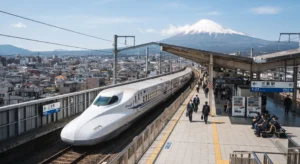
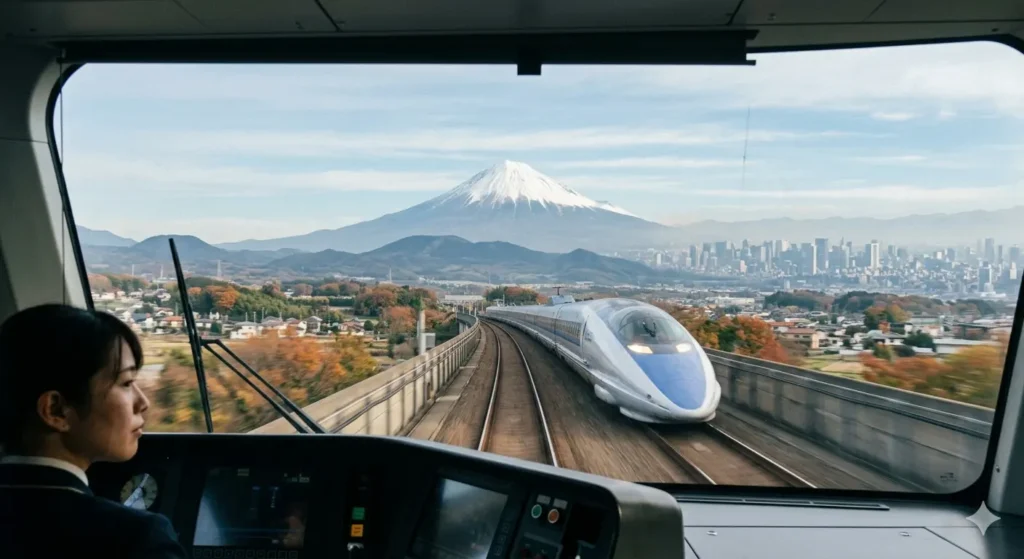
Take the Shinkansen from Tokyo Station.
Nozomi: ~2h 15m
Hikari: ~2h 40m
(Schedules change — confirm before travel)
Sit on the right side for Mount Fuji views if the weather is clear.
Arrive Kyoto early afternoon.
Drop bags, then head to Gion.
Gion is not a performance. It’s a residential district with working businesses. Move quietly. Don’t block streets for photos.
Day 5: Kyoto — Eastern Kyoto
Start at 6:30am.
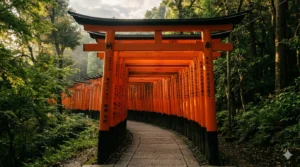
Fushimi Inari Taisha. The first 30 minutes matter. By 8:30, it’s crowded at the base.
Walk at least halfway up the mountain. Most people turn back early. The path thins out, and the rhythm of the torii gates changes.
Late morning: Kiyomizu-dera.
Yes, it’s busy. But the wooden stage overlooking Kyoto is worth seeing once.
Afternoon: Higashiyama streets.
Walk slowly. Shops selling ceramics, tea, sweets — not curated for tourists, but functioning businesses that happen to be in a historic district.
Day 6: Kyoto — Arashiyama & Gion
Morning: Arashiyama Bamboo Grove.
Arrive before 7:30am. After that, it becomes a slow-moving line.
Walk beyond the grove. Tenryu-ji temple gardens are quieter and more balanced.
Afternoon: Back to central Kyoto.
Tea in Gion. Sit, don’t rush.
The most memorable meal here might be kaiseki, but it will cost ¥12,000–¥25,000 per person (2025–2026 rates — verify before travel). A better trade-off for most travelers: a ¥2,500 set meal in a neighborhood restaurant where the chef is cooking for locals, not explaining dishes to visitors.
Day 7: Departure
If flying out of Tokyo, you need to return.
Kyoto → Tokyo Shinkansen: same timing as Day 4.
If your flight is early, consider staying your last night in Tokyo.
Transportation
Japan’s transport works because everyone follows the system.
IC cards (Suica or Pasmo) handle most city travel. Tap in, tap out.
For long distances: Shinkansen.
JR Pass used to be obvious. It isn’t anymore.
As of 2025 pricing:
7-day JR Pass ~¥50,000+
Tokyo ↔ Kyoto round trip: ~¥28,000–¥30,000
You won’t break even on this itinerary. Buy individual tickets.
Where to Stay
Tokyo: Shinjuku or Ginza.
Shinjuku: transport hub, nightlife, dense.
Ginza: quieter, walkable, expensive.
Kyoto: Kawaramachi or Gion.
Avoid staying too far out to save money. You’ll lose time commuting.
Typical costs:
- Budget hotel: ¥8,000–¥12,000/night
- Mid-range: ¥15,000–¥25,000/night
(2025–2026 rates — verify before travel)
Total Costs
Per person, 7 days:
Flights: varies widely
Accommodation: ¥60,000–¥150,000
Transport: ¥30,000
Food: ¥20,000–¥50,000
Total (excluding flights): ~$750–$1,400
Japan is not cheap, but it is predictable.
Booking Tips
- Book Shinkansen tickets 2–3 days ahead during peak seasons
- Reserve seats if traveling with luggage
- Hotels in Tokyo fill quickly — book at least 4 weeks out
Cherry blossom season (late March–early April) changes everything. Prices double. Availability drops.
Alternative Routes
If Kyoto feels too structured, swap it.
Option: Tokyo + Osaka
Option: Tokyo + Kanazawa
Kanazawa works especially well. Smaller scale, preserved districts, fewer crowds.
Frequently Asked Questions About Japan 1 Week Itinerary
Is 7 days enough for Japan?
Yes, for two cities. Tokyo + Kyoto is realistic. Adding more reduces time spent experiencing each place.
Do I need cash in Japan?
Yes. Cards are accepted in most places, but smaller restaurants and temples still prefer cash.
Is Japan expensive?
Moderately. You can control food costs easily. Accommodation and transport are the main expenses.
When is the best time to visit Japan?
March–May and October–November. Avoid June–July rainy season.
Continue Exploring
- Japan travel guide for first-time planning: A full breakdown of culture, etiquette, and logistics before you arrive.
- Thailand 1 week itinerary planning: A different pace, different transport logic, and a lower daily cost structure.