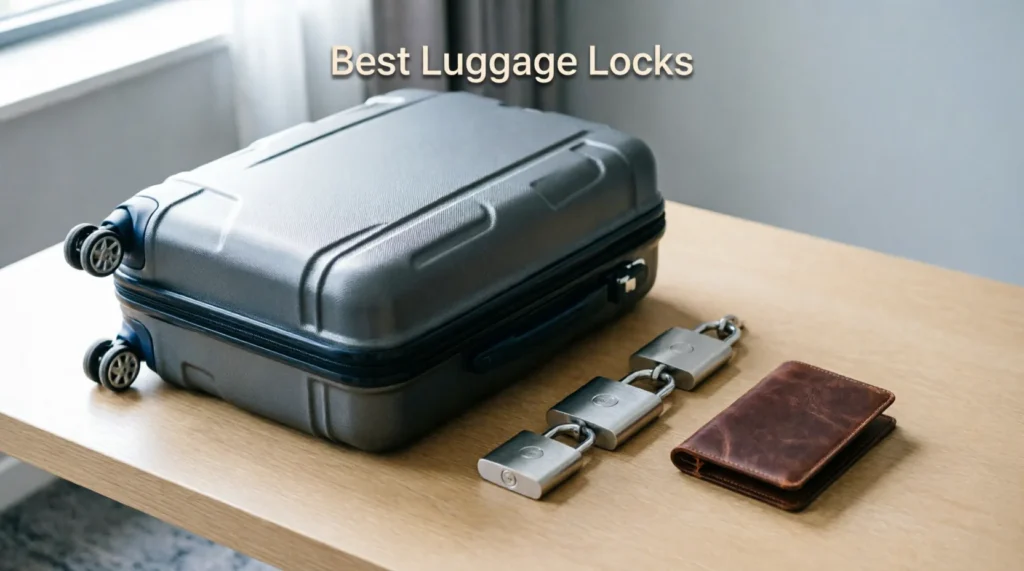
TSA-approved locks are useful because they let airport security open the lock with a master key instead of cutting it off during inspection. That is the entire value proposition, and it matters most on checked bags where a forced inspection can turn a cheap lock into confetti.
The better models are not simply stronger; they are easier to open, easier to reset, and less annoying when you are tired after a long connection. One honest negative: many travel blogs overrate cable locks for every case, but a cable lock is clumsy on hard-shell luggage with neat zipper pulls; a compact shackle lock often works better there.
Testing Methodology
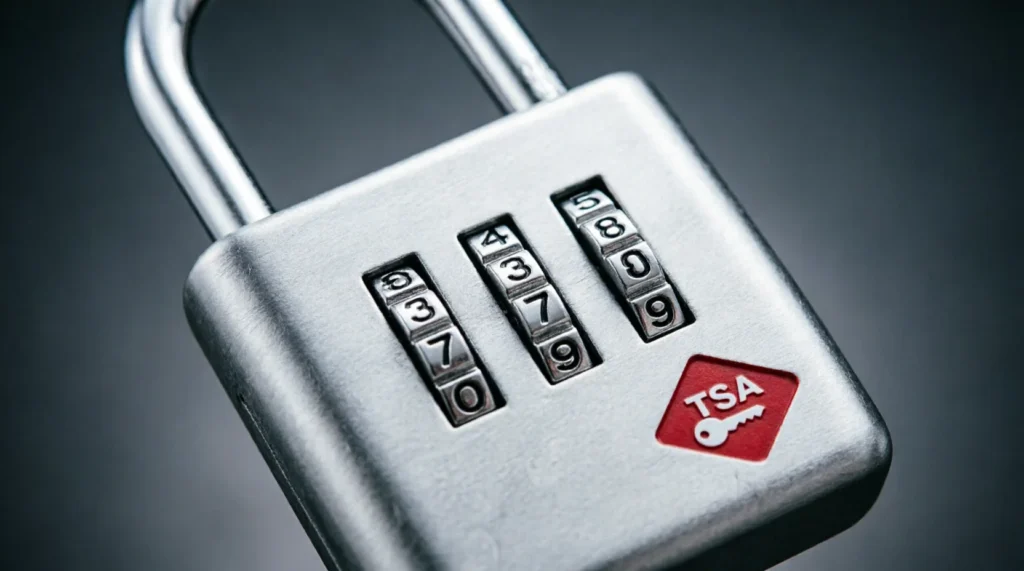
I judged these locks the way a frequent flyer actually uses them: by how fast they attach, how readable the combination is, how well they fit tight zipper pulls, and how much irritation they add at 5:40 a.m. in a dim terminal. I also looked at whether the lock style made sense for soft-sided bags, hard shells, and bags that get stuffed to the point where zipper alignment becomes an argument. The best luggage lock is not the most intimidating object in the aisle; it is the one you will use every single trip because it takes almost no thought.
Top Picks
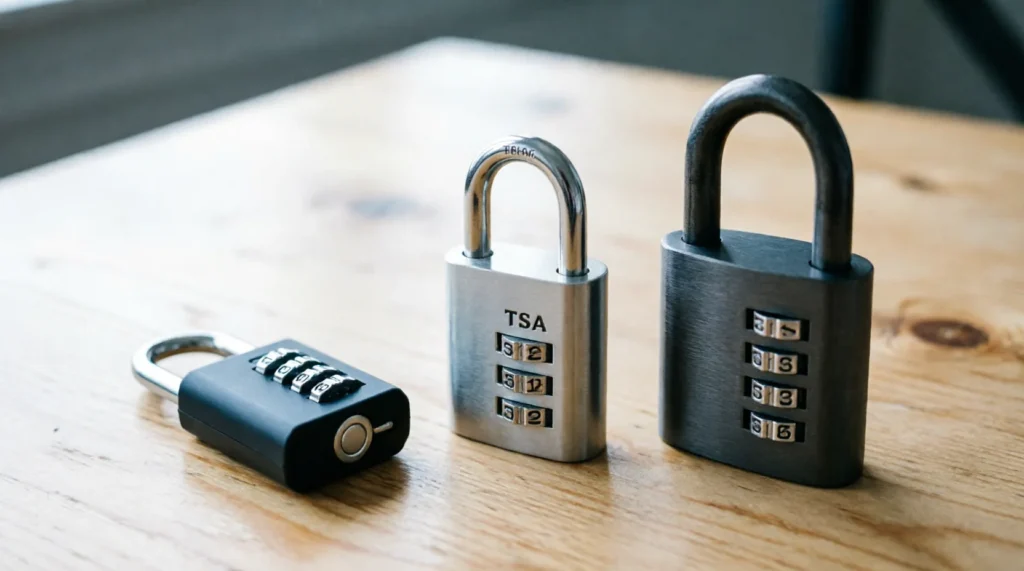
The most consistently useful TSA-approved luggage lock style is a four-digit combination lock with a compact body and a simple reset mechanism. That format gives you enough combinations to avoid the “I forgot the key in another pocket” problem without turning the lock into a tiny engineering project. The Master Lock TSA combination style shows up repeatedly in 2026 roundups because it keeps the setup simple and travels well in one-bag and checked-bag use. For most people who want one lock and done, that is the safe middle ground.
The best choice for travelers who want a little more flexibility is a TSA-approved cable lock. The cable threads through awkward zipper pulls and can also secure soft-sided bags that do not have a neat lock point, which is why it earns a place in real packing setups. Its trade-off is obvious: cable locks are easier to live with, but they are not as tidy on hard cases and can feel fussy if the bag is overstuffed. If your bag is mostly a rigid spinner with aligned zipper tabs, a compact padlock-style option is cleaner.
For travelers who want a premium feel, a metal-bodied TSA-approved lock from a better-known luggage brand usually gives a smoother dial and a better fit. You pay for better tolerances, not magic. The practical benefit is that the numbers line up more cleanly and the lock tends to feel less cheap after months of use, especially if it lives on a bag that gets checked often. The limitation is price: at that point, you are paying for convenience and finish, not a dramatically different security category.
Budget Options
Peak Design Everyday Backpack v2 30L
Budget luggage lock recommendations should be boring in the right way. A simple 3- or 4-digit TSA-approved lock from a mainstream brand is enough for short trips, hostel lockers, or a checked bag that mostly needs deterrence rather than fortress energy. The right budget lock is the one you will not resent replacing if it disappears, which is a very practical way to think about luggage gear. Avoid the no-name bargain-bin packs with stiff dials and vague labeling; they often age badly and feel worse than they cost.
A basic combination lock is the better buy than a keyed lock for most planners because keys vanish in the exact place keys always vanish: not where you thought. If you want a cheap lock for a single checked suitcase, choose the lightest TSA-approved model you can actually read in low light. If you need to lock several bags for a family trip, a multi-pack can be sensible, but only if the dials move smoothly and the bodies are small enough not to snag.
Premium Options
Premium locks make sense when you check bags frequently, move through multiple airports per trip, or want a model that feels less likely to fail after repeated use. In that case, you are buying smoother operation, stronger materials, and fewer awkward moments when the shackle sticks or the dial feels gritty. The trade-off is cost, and it is real: premium locks are not usually twice as secure as midrange locks, they are just more pleasant and reliable to use.
If you travel with expensive camera gear or work equipment, a premium lock can be worth it because friction matters as much as security. The best premium option is the one that survives being tossed into a side pocket, handled with cold fingers, and opened by TSA without leaving you with a bent shackle. If your trips are infrequent, though, the upgrade is easy to overpay for.
Buying Guide
Start with the bag, not the lock. Soft-sided bags usually work better with cable locks or small shackles that can thread through zipper pulls, while hard-shell bags often pair better with compact body locks that sit flat and do not catch on luggage tags. Check that the lock opening is wide enough for your zipper tabs; a strong lock that does not fit is just shiny hardware. That simple fit test prevents most buyer regret.
Combination locks are the practical default because they remove the risk of losing a key at the worst possible time. A 3-digit code is faster, but a 4-digit code gives you more combinations and feels like less of an invitation to guesswork. If your bag will be checked often, prioritize a lock with easy-reset instructions and numbers you can read without squinting; airport lighting is not designed by the same team as the lock packaging.
One thing guidebooks get wrong is treating all TSA-approved locks as interchangeable. They are not. The best luggage locks depend on whether you want easy threading, a low-profile body, or a more robust metal feel, and the wrong style creates more annoyance than protection. For many travelers, the real answer is not “strongest lock”; it is “the lock that fits this bag and this trip.”
FAQ
Are TSA-approved luggage locks worth it?
Yes, if you check bags regularly and want to reduce the risk of damage during inspection. They are less about making luggage invincible and more about making sure security can open the lock without cutting it off. For occasional carry-on use, they matter less.
Should I get a combination or key lock?
A combination lock is usually the better choice because you cannot lose the code in a hotel desk drawer. Key locks are fine if you hate dials, but the second key becomes another thing to track. For most travelers, combination wins on convenience.
Do luggage locks actually stop theft?
Only partly. They discourage casual access and make a bag harder to open quickly, but they do not turn checked luggage into a safe. If theft is your concern, the better strategy is to keep valuables in your carry-on and use the lock mainly as a deterrent.
What size luggage lock should I buy?
Buy the smallest lock that fits your zipper pulls cleanly. A bulky lock can be awkward on soft bags and annoying in tight luggage bays, while a compact model is usually enough for travel security. Fit matters more than size on the box.
Can I use the same lock for every bag?
Yes, but only if the lock style matches the bag type. A cable lock is more versatile across bags with awkward zippers, while a compact padlock-style lock feels cleaner on hard-shell luggage. One universal lock is practical; one universal assumption is not.
Continue Exploring
- Travel Gear Pillar guide gives you the broader gear system, from bags to organizers, so the lock fits into the rest of your packing setup.
- best packing cubes helps you reduce zipper strain and make whatever lock you buy easier to use on every trip.