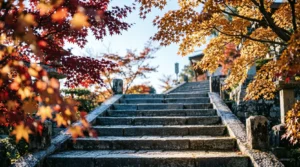
Tokyo in October is a city that has finally stopped sweating. The heavy, gelatinous humidity of August is replaced by a crispness that makes the 20,000 steps you’ll inevitably walk feel like a light stroll. I spent last October navigating the Yamanote line as the first hints of amber hit the ginkgo trees outside Meiji Jingu, and the shift in the social contract was palpable—locals trade their “Cool Biz” office wear for structured wool coats, and the parks fill with people practicing momijigari (maple leaf hunting).
This guide breaks down exactly why October is the strategic choice for your 2026 trip, from the specific day-rates you should expect to the cold truth about where those famous red leaves actually are (hint: they aren’t in Kyoto yet).
Weather Breakdown: The End of the Umbrella
October marks the end of the peak typhoon season. While a stray storm can occur, rainfall drops significantly compared to September.
| City | Avg High | Avg Low | Atmosphere |
| Tokyo | 21°C (70°F) | 14°C (57°F) | Mostly sunny, low humidity |
| Kyoto | 22°C (72°F) | 12°C (54°F) | Crisp mornings, warm afternoons |
| Sapporo | 16°C (61°F) | 7°C (45°F) | Winter is coming; peak foliage |
| Okinawa | 27°C (81°F) | 22°C (72°F) | Tail end of beach weather |
The Crowd Levels: The Golden Shoulder
October is no longer a “secret,” but it remains significantly less chaotic than the late-November foliage peak or the April cherry blossom frenzy. You will still find queues at Shibuya Sky or the Ghibli Museum, but the casual foot traffic in Shinjuku Gyoen is manageable.
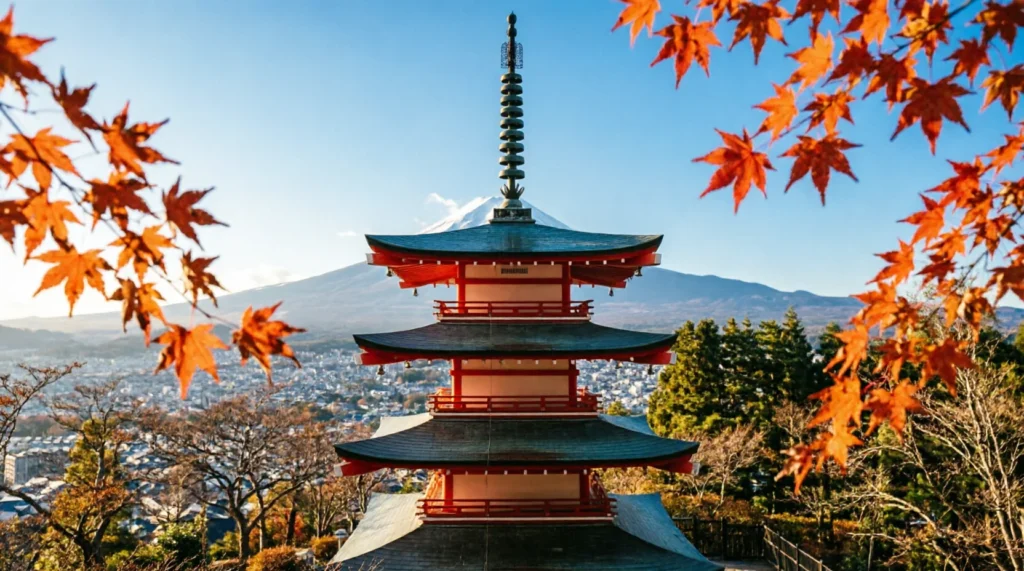
The Truth About Foliage: Do not book a trip in early October expecting to see red maples in Tokyo or Kyoto. In 2026, the peak for central Japan is forecast for late November. If you visit in October and want that vibrant red, you must head north to Hokkaido or into the mountains of Nagano.
Cultural Orientation: The October Mindset
Before you step onto a subway, understand that Japan in autumn is governed by the concept of shun—the appreciation of things at their absolute peak.
- Public Noise: Even in a crowded October festival, the noise level remains lower than a quiet London pub. Do not take phone calls on the train.
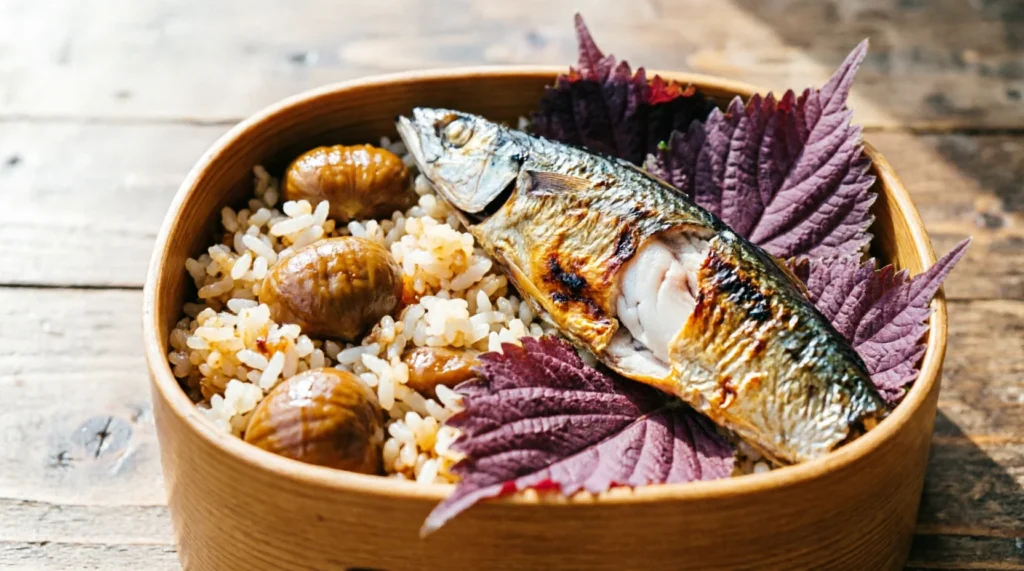
- The Food Cycle: October is the month of Shinmai (the first rice harvest). In 2025–2026, expect menus to feature matsutake mushrooms and sanma (Pacific saury). If a restaurant doesn’t have an English menu, look for the kanji 秋 (autumn)—those are the dishes that are actually fresh.
Best Destinations for October 2026
If you want the “Autumn Experience” without the November crowds, skip the “Golden Route” and head to these specific spots:
1. Nikko (Tochigi Prefecture)
Just two hours from Tokyo, Nikko’s higher elevation means the colors arrive here first. By mid-October, the area around Lake Chuzenji is a riot of ochre.
- The Negative: The Irohazaka Winding Road becomes a parking lot on weekends. Alternative: Visit on a Tuesday or Wednesday and take the 7:30 AM Tobu-Nikko limited express to beat the day-trippers.
2. Kamikochi (Nagano)
The Japan Alps are at their most transparent in October. The air is thin, cold, and perfect for hiking. This area closes in mid-November, so October is your last chance for the year.
3. Hirosaki (Aomori)
While everyone fights for a view in Kyoto, Northern Japan remains open. Hirosaki Park, famous for cherry blossoms, is equally impressive with its 1,000+ maple trees turning in late October.
Events & Festivals
- Takayama Autumn Festival (Oct 9–10): One of Japan’s most beautiful. Massive 17th-century floats (yatai) are paraded through the old town.
- Jidai Matsuri (Oct 22): Kyoto’s “Festival of the Ages.” A massive costume parade representing different eras of Japanese history.
- Kurama Fire Festival (Oct 22): Held in a mountain village north of Kyoto. Men carry massive torches through narrow streets. Warning: It is incredibly crowded and transport back to the city at midnight is a logistical nightmare.
What to Pack
- Shoes: You will walk 15km a day. Bring sneakers with cushioning, but they must be easy to slip on/off for temples.
- Clothing: A “Uniqlo Heattech” base layer for the evenings and a light, windproof shell.
- Tech: An Airalo eSIM or a physical pocket WiFi (Ubigi is a reliable 2026 alternative).
Sample 10-Day October Itinerary
- Day 1-3: Tokyo (Base in Ueno for easy access to the Ginza line).
- Day 4: Day trip to Nikko (Target the Kegon Falls area).
- Day 5-7: Kanazawa (The Kenrokuen Garden is stunning in early autumn).
- Day 8-10: Kyoto (Focus on Northern temples like Enko-ji to find early colors).
Essential Japan Travel Planning Guide – Our deep-dive into the logistics of navigating the country, from IC card setup to table etiquette.
Frequently Asked Questions About Japan in October
Is a visa required for Japan in 2026?
Most Western travelers (US, UK, EU, Canada, Australia) currently receive a 90-day visa-free entry. However, rules are subject to change. (Verify at Ministry of Foreign Affairs of Japan
— rules change without notice).
Can I see Mount Fuji clearly in October?
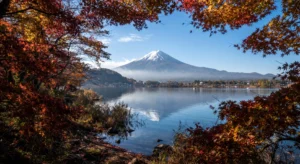
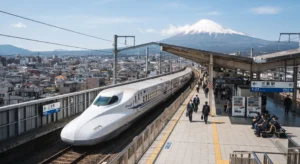
October has some of the highest “clear day” counts of the year. The summer haze has dissipated, and the first dusting of snow usually appears on the peak in early October, giving you that iconic white-capped look.
Is the JR Pass worth it for an October trip?
Only if you are doing extensive long-distance travel (e.g., Tokyo to Hiroshima to Sapporo). For the standard Golden Route, you are better off using the “SmartEX” app to book individual Shinkansen seats and using a Suica/Pasmo card for local transit.
Continue Exploring:
- Best Temples in Kyoto – A refined list of the temples that offer the best views without the soul-crushing crowds.
- Where to Stay in Tokyo – Beyond Shinjuku: discovering the residential charm of Setagaya and the craft culture of Kuramae.