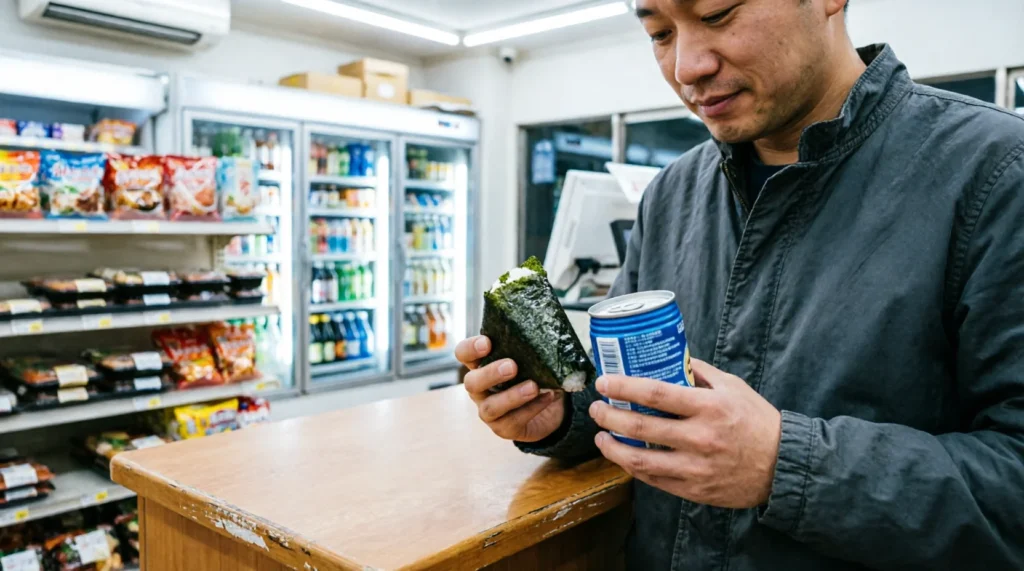
At 11:47pm in a Tokyo convenience store, dinner cost me ¥428.
Rice ball. Pack of boiled eggs. Canned coffee. I ate it sitting on a curb outside because every restaurant nearby had a line I didn’t feel like waiting in.
That moment matters more than any “average cost” chart you’ll read.
Japan is not cheap in the way Southeast Asia is cheap. But it is controlled. Predictable. You can spend ¥20,000 a day or ¥6,000—and both versions of the trip still work if you understand where the money actually goes.
This is what japan on a budget looks like over two weeks, with real numbers, real trade-offs, and where you should spend vs cut.
Average Daily Costs
Here’s the honest baseline for a budget japan travel trip:
- Budget tier: ¥6,500–¥9,000/day ($45–$60)
- Mid-range budget: ¥10,000–¥15,000/day ($70–$100)
(2025–2026 rates — verify before travel)
My actual average over 14 days: ¥8,200/day
That included:
- Capsule hotels and business hotels
- Convenience store breakfasts + local restaurants
- Intercity trains (no JR Pass)
- Paid attractions
What pushes costs up fast:
- Last-minute accommodation in Tokyo
- Shinkansen tickets without planning
- Sitting down for every meal
What keeps costs under control:
- Locking accommodation early
- Mixing food types (not every meal is a restaurant)
- Choosing where speed actually matters
If you want the full breakdown math:
japan trip cost breakdown — complete numbers across all travel styles.
Accommodation Costs
Accommodation is your biggest fixed cost.
What I actually paid:
- Capsule hotel: ¥2,800–¥4,000/night
- Business hotel: ¥5,500–¥8,000/night
(2025–2026 rates — verify before travel)
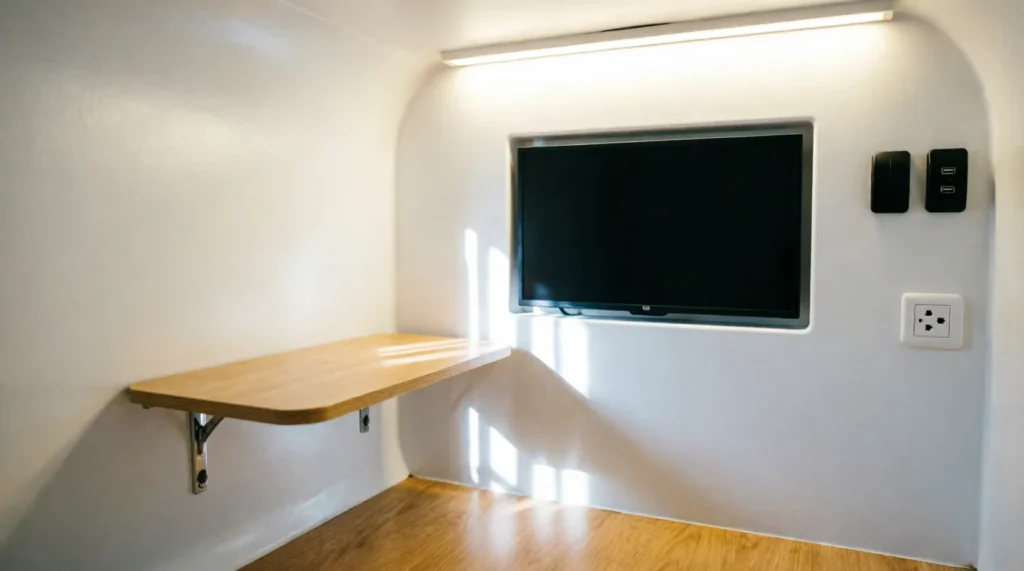
Capsule hotels are not a gimmick. They are quiet, efficient, and cleaner than many budget hotels elsewhere. The only adjustment: luggage stays outside your pod.
One night in Tokyo, I booked late and paid ¥7,800 for a tiny business hotel room near Ueno Station. The room barely fit the bed and a suitcase—but the shower pressure was perfect, and I was on the train platform in 4 minutes the next morning. That trade-off is Japan in a sentence.
Where people overspend:
- Booking Shinjuku/Shibuya without checking nearby areas
- Ignoring business hotels (they are built for solo travelers)
Better approach:
Stay one or two train stops away. In Osaka, areas like Shin-Osaka cut nightly costs by 20–30% with zero impact on your day.
Food Costs
Food is where Japan quietly saves your budget.
Real daily food spend:
- Budget: ¥1,500–¥3,000/day
- Comfortable: ¥3,500–¥5,000/day
(2025–2026 rates — verify before travel)
A ¥900 ramen shop in Tokyo will outperform most $20 meals in Western cities. Not because it’s “cheap”—because it’s focused.
At 7am near Asakusa, I watched office workers cycle through a standing soba shop: bowl served in under 90 seconds, eaten in five minutes, back to work. Cost: ¥420.
That’s not a “budget hack.” That’s how people actually eat.
What to do:
- Breakfast: convenience store (¥300–¥500)
- Lunch: local ramen, curry, or donburi (¥700–¥1,200)
- Dinner: one proper sit-down OR repeat lunch-style meal
Where people go wrong:
Trying to make every meal an “experience.” Japan doesn’t work like that. The everyday meals are the experience.
Transportation
Transport is where most first-time budgets break.
The JR Pass is not automatically worth it anymore.
Here’s the math:
- 7-day JR Pass: ~¥50,000
- Tokyo → Kyoto Shinkansen: ~¥14,000 one way
Break-even only happens if you’re doing multiple long-distance trips in a short window.
My route:
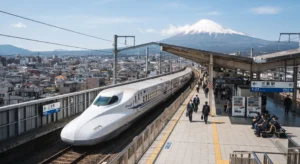
- Tokyo → Kyoto → Osaka → Tokyo
Total individual tickets: ~¥32,000
No JR Pass needed.
(Schedules change — confirm before travel)
Inside cities:
- IC card (Suica/PASMO): tap and go
- Average daily spend: ¥500–¥1,000
The system works because everyone follows it. You’ll notice it on day one—platform lines, quiet trains, no confusion once you understand the pattern.
Where to save:
- Avoid taxis (they add up fast)
- Use local trains instead of Shinkansen for shorter routes
Activities
You can spend almost nothing here—or a lot.
Typical costs:
- Temples/shrines: ¥300–¥600
- Museums: ¥800–¥1,500
- Observation decks: ¥1,500–¥3,000
(2025–2026 rates — verify before travel)
One of the best mornings of my trip cost ¥0: walking through Kyoto’s streets at 6:30am before shops opened, when the city felt like it belonged to whoever woke up early enough.
Honest negative:
Some paid viewpoints are not worth it. Tokyo Skytree is expensive and crowded.
Better alternative:
The Tokyo Metropolitan Government Building observation deck is free—and the view is just as wide.
Money-Saving Tips
This is where most “cheap japan trip” advice gets vague. Here’s what actually works:
1. Book accommodation early
Prices spike fast in Tokyo and Kyoto.
2. Eat like residents, not like a checklist
Convenience stores are part of daily life—not a compromise.
3. Skip the JR Pass unless the math works
Run your exact route, don’t assume.
4. Carry cash
Some smaller places still don’t accept cards.
5. Use luggage forwarding (takkyubin)
Costs ~¥2,000 but saves time and energy on travel days.
Budget Breakdown
Here’s my actual 14-day total:
- Accommodation: ¥78,000
- Food: ¥36,000
- Transportation: ¥34,000
- Activities: ¥12,000
Total: ¥160,000 (~$1,050)
(2025–2026 rates — verify before travel)
That’s not the lowest possible budget. It’s a realistic one that doesn’t feel restrictive.
Could you do it cheaper? Yes.
Would it change the experience meaningfully? Not much—if you already understand what matters.
For full planning context:
japan travel guide — how to structure your trip beyond just cost.
Frequently Asked Questions About Japan on a Budget
How much money do I need for 2 weeks in Japan?
Around ¥140,000–¥180,000 ($900–$1,200) covers a realistic budget trip with accommodation, food, transport, and activities. Flights not included. (2025–2026 rates — verify before travel)
Is Japan expensive compared to Europe?
Accommodation can be similar, but food and transport are often cheaper if you plan properly. Daily spending can be lower than cities like Paris or London.
Can I travel Japan on $50 a day?
Yes, but it requires strict control: capsule hotels, simple meals, limited paid attractions. It’s possible, but not flexible.
Do I need cash in Japan?
Yes. Cards are widely accepted in cities, but smaller restaurants and older shops may still require cash.
Continue Exploring
- japan trip cost breakdown: A deeper breakdown across budget, mid-range, and high-end travel styles.
- japan travel guide: Step-by-step planning guide covering routes, timing, and cultural basics.