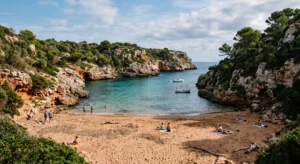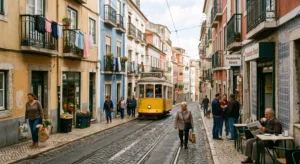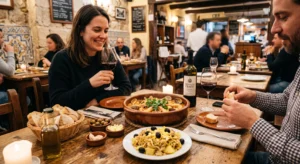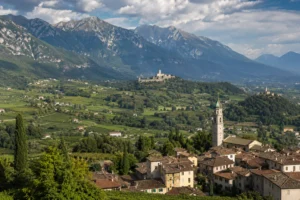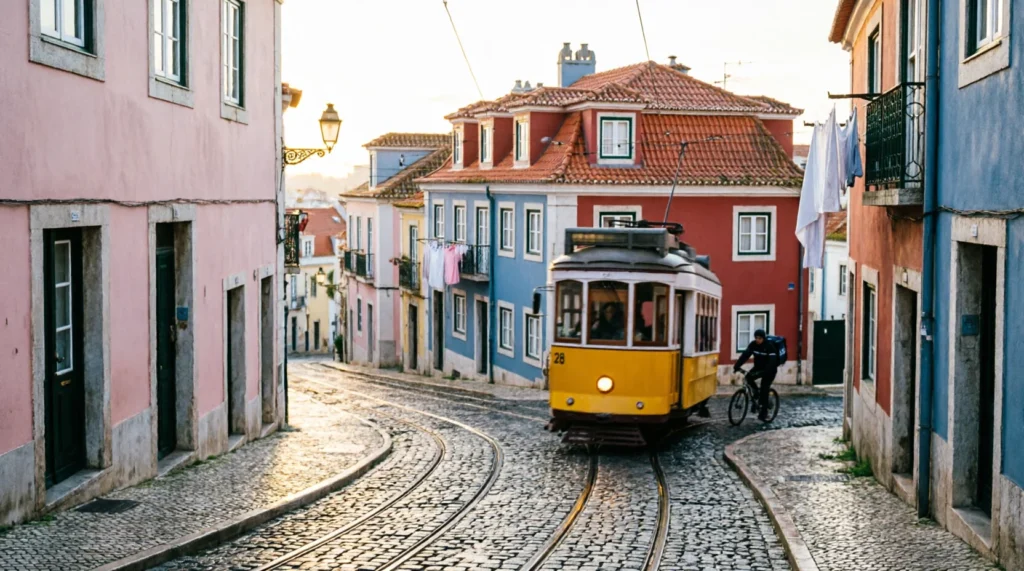
Alfama at 6:45am sounds different than it does at noon. The delivery scooters haven’t started their runs yet. The bakeries are pulling their first trays. The narrow alleys slope toward the Tagus River without a single camera tripod blocking the frame. Walk those streets at that hour and you understand why Lisbon rewards early risers and punishes late arrivals. The city gives its character away before the crowds do.
This portugal 2 week itinerary covers the country’s northern and southern arcs in fourteen days without treating it like a checklist. It moves you through Lisbon, Sintra, the Alentejo plains, the Algarve coast, and Porto with exact transit times, neighborhood-level lodging targets, and daily budget math. You will know which trains require advance booking, where rental cars actually save money, and which meals justify crossing a city block. Read it as a routing plan. Leave the brochure language at home.
Overview
Portugal stretches just 560 kilometers from the northern Spanish border to the southern Atlantic edge, but the terrain fractures into distinct cultural zones. The north runs wet, steep, and wine-driven. The center flattens into cork forests and Roman ruins. The south bakes into limestone cliffs and fishing villages. A portugal 14 days schedule only works when you align travel direction with geography.
We route this trip south to north. You land in Lisbon. You spend three days learning the hills. You push east to Évora for two days of flat terrain and low crowds. You drop to the Algarve for three days of coastal navigation. You return north by train and finish in Porto for five days of urban walking and Douro Valley excursions. This direction avoids backtracking. It respects CP train schedules. It keeps you out of high-season choke points if you book between March and May or September and October.
The budget floor here matters. Western European cities pull prices upward. Lisbon and Porto sit at $130–$160 per day for a deliberate planner booking private rooms, transit passes, and sit-down dinners twice daily. Alentejo and the Algarve drop to $90–$130 per day once you step ten minutes from tourist corridors. Southern tier (Portugal, southern Italy, Greece outside peak): $90–$130/day is realistic. The difference between those two tiers buys you three extra days of wine tastings or two upgraded train seats. Know where your money stretches. Plan accordingly.
I sat at a counter in Évora watching the lunch rush end by 1:15pm. The kitchen closed the shutters. The staff sat in back and drank espresso. Portuguese service runs on local rhythms, not tourist convenience. Adjust your watch. Eat when they eat. The country opens up when you stop treating it like a hotel.
Day-by-Day Breakdown
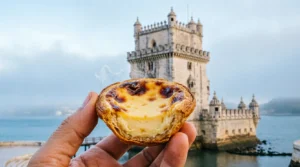
Days 1–3: Lisbon Base Land at Humberto Delgado Airport. Take Metro Red Line to São Sebastião. Transfer to Blue Line to Restauradores. Walk ten minutes to Alfama or Príncipe Real. Drop your bags before 1pm. Check-in at Portuguese hotels rarely happens early. Leave your passport at the desk. Grab a pastel de nata at Manteigaria on Rua da Conceição. Eat it standing at the counter. The flaky crust shatters. The custard sets slightly under the surface. You will know immediately why people fly across the Atlantic for it.
Day 1 stays local. Walk down Calçada da Glória to Bica. Take the Elevador da Bica down. Cross to Chiado. Buy a book at Livraria Bertrand. Sit at Café A Brasileira. Watch the street performers reset. Walk back uphill before 6pm. Dinner at a tasca in Bairro Alto. Order bifana. Pay in cash. The pork is thin, fried fast, piled on a bread roll with mustard and beer. Total cost: €8–€10.
Day 2 opens the museum corridor. Take the 15E tram to Belém at 9am. Skip Pastéis de Belém’s front line. Order at the side counter. Walk to Jerónimos Monastery. Book timed entry for 10am. The limestone tracery catches light better in morning than afternoon. Return to city center by 2pm. Rest. Walk along Avenida da Liberdade at 5pm. Dinner at Cais do Sodré. Time is Market. Eat oysters. Walk the riverfront back to your hotel.
Day 3 is a transit prep day. Book CP train tickets for Sintra. Pack light. Visit LX Factory under the 25 de Abril Bridge. Eat at the terrace overlooking the water. The bridge hums. The ferris wheel turns. You understand Lisbon’s industrial layer. It exists beneath the postcard.
Days 4–5: Sintra & Cascais Take the 8am Sintra line from Rossio Station. The ride takes 38 minutes. You arrive before the palace gates form a line. Walk uphill to Quinta da Regaleira before 9:15am. The Initiation Well spirals down 27 meters. The stone gets damp. The echo carries footsteps from above. Most visitors queue for Pena Palace. The queue takes three hours in July. Regaleira moves. The landscape mirrors Romantic era design without requiring a bus transfer.
Return to Sintra village by noon. Eat at Casa do Forno. The frango piri-piri comes charcoal-seared. The rice absorbs the drippings. Walk to the Moorish Castle wall if you want stone. Skip the queue if you want your afternoon. Take the coastal train from Sintra to Cascais at 3pm. The track cuts through cliffs and beaches. You arrive at Guincho Bay with sand in your shoes and wind on your face.
Stay overnight in Cascais or return to Lisbon by 7pm. I prefer Cascais. The marina fills with quiet boats. The restaurants serve grilled sea bream without a menu translation. You sleep without traffic noise.
Days 6–7: Évora & Alentejo Take an Alfa Pendular from Lisbon Oriente to Évora. The train runs three hours south. You cross the Tagus River and the landscape flattens into olive groves and wheat fields. Rent a car at Évora station. You will use it for two days.
Check into a boutique guesthouse in the historic center. Walk to the Roman Temple at 10am. The columns stand in the middle of a manicured lawn. Walk to Évora Cathedral. Climb the roof terrace. The view covers terracotta roofs and endless plains. Eat lunch at Convent of São Francisco. The bone chapel sits underground. The light stays dim. The atmosphere respects the quiet.
Day 7 drives into the Alentejo hinterland. Head to Monsaraz. The village sits on a limestone ridge. The castle wall faces Spain. The roads empty out by 2pm. Stop at a Herdade winery near Reguengos de Monsaraz. Book a tasting. The Alentejo reds use Aragonez and Trincadeira. The tannins grip. The food arrives on wooden boards. Drive back to Évora before dusk. The road has no tolls. The fuel costs €8–€10 for a full tank return.
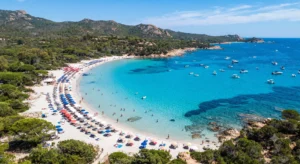
Days 8–10: Algarve Coast Drive the A2 highway south toward the coast. You reach Lagos or Faro in three hours from Évora. Return the car in Lagos. The city handles coastal logistics better than Faro. Book a base in Praia Dona Ana or Meia Praia. Walk the boardwalk at 8am. The cliffs glow orange. The tide pulls back from the sea caves. Rent a kayak or book a local boat tour. The Benagil Cave sits 20 minutes by water. The ceiling opens to sky. The sand inside stays dry.
Day 9 hikes the Fisherman’s Trail near Aljezur. The path cuts through pine forests and coastal bluffs. Bring two liters of water. The shade disappears by 11am. Eat at a tasca in Salema. The sardinhas come grilled whole. The salad stays cold. You eat with your hands. The wind carries salt.
Day 10 stays local. Visit Tavira by train. The Roman Bridge spans the Gilão River. The tiles cover church facades. You walk the island trail to Praia do Barril. The abandoned tuna nets rust in the dunes. You understand the Algarve’s working history before the resort phase took over.
Days 11–12: Porto Arrival & Neighborhood Navigation Return to Lagos station. Take an Alfa Pendular or fly TAP to Porto. The train takes five hours and thirty minutes. The flight takes one hour. Choose based on fatigue. I book trains when I want to read. I fly when I want to move.
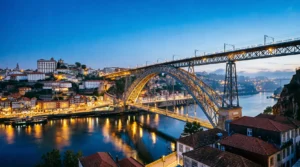
Land in Porto. Check into Cedofeita. The neighborhood sits one grid north of the river. It has cafés, tile shops, and quiet streets. Walk to Ribeira at 4pm. The river turns gold. The bridge hums with traffic. Cross to Gaia. Book a port wine lodge tour at 6pm. The cellar stays cool. The aging barrels sit in rows. You taste ruby, tawny, and vintage. The difference lies in aging method and sugar structure. You remember it later when you read a bottle label.
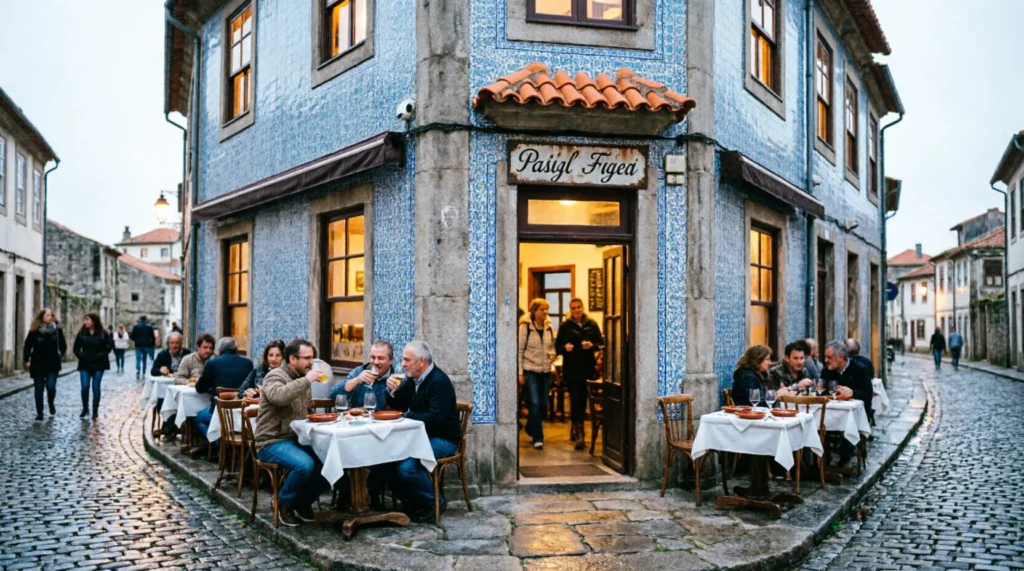
Day 12 maps the city. Start at Livraria Lello before 10am. The staircase spirals. The wood stains dark. The line forms by 10:15am. Walk to São Bento Station. The azulejos cover the walls with historical panels. Eat francesinha at Cervejaria Brasão. The sandwich layers cured meats and melted cheese. The sauce runs tomato-heavy and beer-forward. You need napkins. You leave full. Walk back through Clérigos Tower at 8pm. The lights stay off. The street vendors pack up. Porto sleeps early.
Days 13–14: Douro Valley & Departure Take the 8:30am CP train from Porto São Bento to Pinhão. The ride follows the river. The track cuts through slate terraces. The vineyards climb steep slopes. You arrive before the tasting rooms open. Walk to the river. Book a boat ride at 11am. The water runs calm. The terraces reflect in the surface. Eat lunch at a quinta near Tua. The duck comes with rice. The olive oil coats the vegetables.
Return to Porto by 5pm. Walk your favorite neighborhood one last time. Buy a bag of bifanas from a butcher. Pack for departure. Leave at 7am the next morning. The airport sits twenty minutes from the city center. You arrive with empty pockets and full memory.
Transportation
Portugal’s transit network runs on two systems: CP trains and Rede Expressos buses. Trains cover the Lisbon to Porto corridor efficiently. Buses handle rural gaps where tracks end. You will use both.
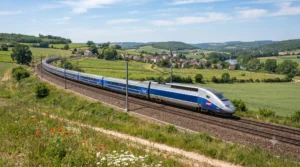
The Alfa Pendular connects major cities with speed and comfort. Seats recline. Wi-Fi works intermittently. Book through CP.pt seven days before departure. Discounts appear on early morning and late night departures. The regional lines handle Sintra, Cascais, and local Algarve hops. These trains run every twenty minutes. You buy tickets at station kiosks or on the CP app.
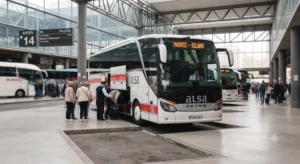
Buses fill the Alentejo and Algarve inland routes. Rede Expressos runs daily schedules between Évora and Lagos. The coaches have luggage racks and air conditioning. The roads wind through cork forests. Travel time stretches two to three hours depending on stops. Book online or at the terminal desk.
Rental cars only make sense for Days 6–8. You pick up at Évora station. You drop at Lagos. The one-way fee runs €30–€50. Fuel costs €1.65 per liter in 2026. Tolls require an electronic transponder. Ask the agency for a Via Verde device. It charges automatically. You pay at the rental desk on return.
Walking remains the most efficient transit in Lisbon and Porto. The hills punish sandals. Pack leather sneakers. The streets drain rain fast. You will walk ten to fifteen thousand steps daily. Plan rest hours. The city waits for no one.
Where to Stay
Neighborhood selection dictates your daily rhythm. Lisbon rewards Alfama for morning quiet and Príncipe Real for dinner access. Alfama sits above the river. The stairs climb steep. You carry your bag. You gain early light. Príncipe Real sits on flat ground. The gardens open at 9am. The wine bars pour until midnight.
Sintra and Cascais split the overnight decision. Sintra fills with day trippers by noon. The hotels charge premiums for proximity. Cascais runs quieter. The train connects to Lisbon in forty minutes. You sleep to ocean noise. You wake with time to walk the marina.
Évora requires a central booking. The historic center limits traffic. The guesthouses sit inside stone walls. You walk to the temple. You eat around the corner. You park outside the ring road and carry your groceries in.
The Algarve divides into two models. Lagos handles transit logistics. The hostels and guesthouses cater to active travelers. Tavira suits slower pacing. The family-run pousadas run longer. The island beaches stay reachable by foot ferry.
Porto splits between Ribeira and Cedofeita. Ribeira fills with tour groups. The hotels sit on river-facing streets. The noise carries past midnight. Cedofeita sits inland. The buildings date to the nineteenth century. The restaurants serve locals first. You choose based on sleep quality versus proximity.
Book direct when possible. Portuguese family hotels often lower rates by 5–8% if you call the reception desk. They value direct communication. They remember repeat names. You get an upgrade. You leave a review. The cycle repeats.
Total Costs
A portugal 2 week itinerary runs on tiered pricing. The south and interior stay affordable. The coastal capitals push upward.
Accommodation averages €85–€110 per night in Alentejo and inland Algarve. Private rooms with en-suite bathrooms. Lisbon and Porto run €110–€140 per night for similar specs. Guesthouses charge less than hotels. They include breakfast. The math works in your favor if you book mid-week.
Transit costs €12–€18 per day averaged across train, bus, and metro passes. The CP discounted fares drop single tickets to €12–€18. The metro seven-day pass sits at €23. You tap your card. You ride unlimited. You save €5 per day over single tickets.
Food runs €15–€25 per person for dinner at a tasca. Lunch sits at €8–€12 for a prato do dia with bread, wine, and espresso. Coffee costs €0.80. Water comes tap or bottled. You spend more on wine than groceries. That is the design.
Tours and entries total €120–€160 over fourteen days. Palace tickets run €14–€18. Boat rentals sit at €25–€40. Museum passes drop entry fees by 20%. You book timed slots. You skip queues. You gain hours back.
Total daily budget: $115 per day averaged across the full loop. City centers push to $145. Inland stays drop to $95. (2025–2026 rates — verify before travel). Multiply by fourteen. Add a 10% buffer for missed trains and extra glasses of port. You arrive with math on your side.
Booking Tips
Train tickets open thirty days before departure. The CP website releases seats at 6am Lisbon time. Early morning slots sell fast. Late night slots stay available longer. Book your Lisbon to Évora and Porto to Douro legs first. The middle segments adjust around them.
Accommodation fills quickly in Sintra and Lagos. You book sixty days out if you travel in June. You book thirty days out for October. You call the reception desk for direct rates. You avoid booking platform fees. You gain flexibility on check-in times.
Restaurant reservations matter only for dinner on weekends. Tascas take walk-ins on weekdays. You arrive at 7:30pm. You get a table. You leave by 9:30pm. You catch the evening tram. You sleep.
Car rentals require advance booking in peak months. The agencies hold vehicles for forty-eight hours. You confirm pickup times by email. You inspect the vehicle for scratches. You photograph the dashboard. You return with full fuel. You avoid disputes.
Tours run on weather windows. Coastal boat trips cancel when the Atlantic swells. You book refundable tickets. You check wind forecasts at 7am. You reschedule. The coast does not negotiate.
Visa and entry rules shift without warning. Non-EU travelers must track the Schengen 90/180-day limit. (Verify at [official source] — rules change without notice). You count days from your first stamp. You plan your exit accordingly. You avoid airport conversations.
Alternative Routes
The south-to-north loop works best for first-time visitors. It respects climate gradients and train schedules. Two alternatives exist for repeat travelers or specialized interests.
The northern coastal route starts in Porto. It moves north to Braga and Guimarães. It crosses into Galicia for two days. It returns through the Douro Valley to Porto. The train network handles the routing. You skip the Algarve entirely. You gain mountain terrain and Roman ruins. You trade beach time for stone architecture and cooler air.
The island extension replaces Alentejo with Madeira. You fly Lisbon to Funchal on Day 6. You rent a car for three days. You drive the north coast road. You hike Levada trails before noon. You return to the Algarve on Day 9. You catch the coastal train back to Lisbon. The flight costs €80–€120 round trip. The time saves you from two long drives. You trade plains for peaks. You choose based on weather preference.
Both alternatives keep the fourteen-day frame intact. They shift focus without breaking transit logic. You book trains first. You adjust lodging around them. You leave buffer days open. The country rearranges around your schedule.
Frequently Asked Questions About a Portugal 14 Days Route
Is two weeks enough for Portugal?
Fourteen days covers the core north-to-south arc without backtracking. You spend three days in Lisbon, two in Sintra/Cascais, two in Alentejo, three in the Algarve, and four in Porto. Adding islands stretches transit times and reduces daily pacing. The route stays efficient when you prioritize one overnight per location.
Should I rent a car for this itinerary?
Only for Days 6–8 through Alentejo and the Algarve coast. Lisbon, Sintra, and Porto function efficiently on trains, trams, and walking. Car rentals cost €35–€55 per day plus fuel and parking. You save money and reduce stress by limiting the rental to inland segments.
What train line handles the longest stretch?
The Alfa Pendular connects Lisbon Oriente to Porto Campanhã in three hours. It runs hourly. Book through CP.pt seven days before departure. Early morning and late night seats drop €3–€5 below peak fares. The Wi-Fi works intermittently. Bring a book.
How much should I budget for food?
Lunch runs €8–€12 for a prato do dia. Dinner sits at €15–€25 at a local tasca. Wine costs €3–€6 per glass. Coffee stays under €1. You spend €25–€35 daily on food without booking upscale restaurants. The math holds across regions. (2025–2026 rates — verify before travel)
Do I need a visa for Portugal?
EU, US, Canadian, and Australian passport holders enter visa-free for ninety days within a one-hundred-eighty-day period. (Verify at [official source] — rules change without notice). Stamp tracking matters if you visit multiple Schengen countries. You count days from entry to exit. You plan accordingly.
Continue Exploring
- complete portugal travel guide — Dive deeper into neighborhood breakdowns, cultural etiquette, and seasonal routing logic that supports this fourteen-day framework.
- algarve travel tips for first-time visitors — Expand your planning with coastal trail maps, tide tables, and lodging strategies specific to the southern shoreline.