Cheap flights to Thailand are real — but they follow rules. From the US, a genuinely low fare to Bangkok sits between $550 and $750 round-trip, booked 8–12 weeks out, through a Gulf carrier hub. From the UK, it’s £380–£520 via Doha or Istanbul. From Australia, AUD $600–$850 via Kuala Lumpur or Singapore.
Miss the window, choose the wrong routing, or book without a target number, and you pay $300–$500 more for the same seat. This post covers the routes, the timing, the tools that actually do different jobs, and the specific mistakes that quietly cost travelers real money on Thailand bookings.
What Cheap Actually Costs on Flights to Thailand
The first step is knowing what you’re aiming at — because “cheap” on a Thailand booking means something specific, not vague.
From the US (round-trip, economy):
- Low: $550–$750 — booked 8–12 weeks out, shoulder season, Gulf or Asian carrier
- Mid: $800–$1,050 — peak season (December–January, Songkran in April), standard booking
- High: $1,200–$1,600+ — last-minute, peak dates, direct or near-direct routing
(2025–2026 rates — verify before travel)
From the UK (round-trip, economy):
- Low: £380–£520 — Qatar Airways via Doha, Turkish Airlines via Istanbul, May–September
- Mid: £620–£800 — Christmas and New Year travel
- High: £900–£1,300+ — last-minute peak fares
(2025–2026 rates — verify before travel)
From Australia (round-trip, economy):
- Low: AUD $600–$850 — AirAsia X via Kuala Lumpur, Malaysia Airlines, or Jetstar Asia
- Mid: AUD $1,000–$1,300 — Qantas codeshares, peak school holidays
- High: AUD $1,500+ — Christmas school holiday window
(2025–2026 rates — verify before travel)
These are your targets before you open a single search tab. Without a number, you don’t know whether a fare is good. With one, you know immediately.
The Routes That Deliver the Lowest Fares
The routing you choose matters as much as when you book. Thailand has no nonstop service from North America and limited direct service from Europe. That makes the hub your most important decision.
US to Thailand
The lowest US fares to Bangkok (Suvarnabhumi, BKK) consistently come through Doha (DOH) with Qatar Airways and Istanbul (IST) with Turkish Airlines. Both carriers run aggressive pricing on this routing — Qatar particularly during its semi-annual sales in March and September.
The second tier: Cathay Pacific via Hong Kong (HKG) and Korean Air or Asiana via Seoul (ICN). These run $20–$80 more than the Gulf carriers on most dates but offer stronger frequent-flyer earning and easier same-day connections.
The routing to avoid unless the price is exceptional: any itinerary with two stops and a total travel time above 24 hours. Bangkok is already a 20–22 hour journey from the US East Coast via one stop. Two stops means something went wrong with the search.
The routing lesson I learned at Suvarnabhumi after a Bangkok connection: when you are flying US → Gulf hub → Bangkok → domestic Thailand, build in at least 90 minutes at BKK before any onward domestic leg. Thai immigration at Suvarnabhumi on a busy December arrival can take 45 minutes from plane door to the domestic terminal, even with Global Entry doing nothing for you here.
UK and Europe to Thailand
Qatar Airways via Doha and Turkish Airlines via Istanbul again lead on price. From London, fares drop to their lowest in May, June, and September — outside the school holiday blocks that push July and August pricing up by 35–50%.
Emirates via Dubai runs competitively from UK regional airports (Manchester, Birmingham, Glasgow) where Qatar and Turkish have thinner schedules, giving it leverage it doesn’t have from Heathrow.
From continental Europe — Paris, Amsterdam, Frankfurt — KLM and Lufthansa codeshares via their respective hubs add a connecting leg but sometimes surface fares £30–£60 lower than a London departure, particularly on mid-week travel.
Australia to Thailand
AirAsia X from Melbourne (MEL) and Sydney (SYD) via Kuala Lumpur (KUL) produces the lowest Australia-Thailand fares on the market — sometimes AUD $500–$650 return during sales. The trade-off is a no-frills experience: seat selection, bags, and meals are add-ons that can add AUD $80–$150 to the base price. Factor those in before comparing to Malaysia Airlines, which bundles 30kg checked bags and a meal and often lands within AUD $50–$100 of AirAsia’s fully-loaded price.
Jetstar Asia via Singapore is the other budget option from Australian east-coast cities. Check baggage allowances carefully — Jetstar’s Thailand routes have specific allowances that differ from its Australian domestic operation.
When to Book — The Windows That Work
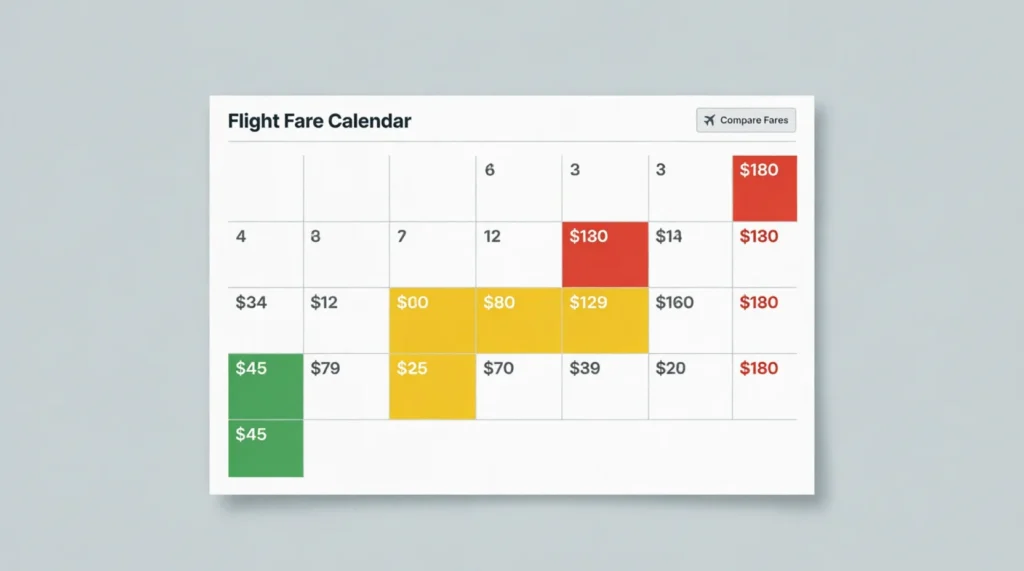
For long-haul routes to Thailand, book 8–12 weeks before departure. That window, based on 2025 Skyscanner and Google Flights data across US, UK, and Australian departure points, consistently produces fares at or near the lowest available for a given date. It is not a guarantee — airlines reprice dynamically — but it is the window where the most inventory is available at competitive rates before load factors push prices up.
Inside 3 weeks: Expect a 30–50% premium on most routes. Airlines know these seats are distressed purchases and price them accordingly. Exceptions exist — genuine last-minute sales happen — but building a Thailand trip strategy around catching one is not a plan.
More than 5 months out: You are ahead of most sale cycles. Fares may look fine and then drop $150–$200 as the departure window approaches. Booking this early locks in a known price but forfeits the ability to capture fare drops unless you booked a refundable or changeable ticket.
The cheapest months to fly: May and September. Rainy season has started in Bangkok and the Gulf of Thailand coast, which drives down demand. Chiang Mai in September is actually excellent — the rains are lighter in the north and the city has largely emptied of peak-season crowds.
The months to avoid for price: Mid-December through early January, and the Songkran window (April 10–16). These dates are fixed-price territory. The demand is inelastic. Book early or accept peak pricing.
The Tools, and What Each One Is Actually For
These four tools are not interchangeable. Each does a specific job.
Step 1 — Use Google Flights to find your target date and price. Google Flights’ calendar view and price graph show fare variation across an entire month. Set your origin, set Bangkok as the destination, and use the date grid to find the 3–5 cheapest travel windows. This is your research phase. Don’t book here yet — check the actual airline’s site for the same fare first.
Step 2 — Use Skyscanner to check budget carrier options and compare across carriers. Skyscanner indexes budget airlines that Google Flights sometimes misses or de-prioritizes. For Australia-to-Thailand routes especially, run the same search on Skyscanner to surface AirAsia X and Jetstar Asia fares. Use the “Cheapest Month” view for flexible travel.
Step 3 — Use Going (formerly Scott’s Cheap Flights) for error fares and flash sales. Going monitors fare databases for pricing anomalies — routes that have misfired at $300 below market rate — and sends email alerts to subscribers. A Going Premium membership runs approximately $49/year (2025–2026 rates — verify before travel). For Thailand specifically, Going has flagged US-to-Bangkok fares below $500 round-trip multiple times in the past two years. You cannot search for these. You subscribe and wait.
Step 4 — Use Kayak Explore if your destination is flexible. If Bangkok is a preference but not a requirement, Kayak Explore lets you set a budget — say, $700 — and see every destination reachable for that amount from your home airport in a given month. Thailand often appears; so do Vietnam, Japan, and Indonesia. Use this if the goal is “Southeast Asia” rather than specifically Bangkok.
\One practical note on booking: when Google Flights shows a fare and clicking through lands on the airline’s site at a different price, the most common reason is cabin availability — the search engine cached a price for a seat class that sold out in the seconds between the search and the click-through. Refresh the airline’s site directly with the same dates. The fare often reappears within 10–15 minutes as inventory updates.
What Goes Wrong (And How to Not Let It)
The most expensive mistake on Thailand bookings is not the airfare itself — it’s the add-ons that appear after the base fare commits you psychologically.
1. Budget carrier baggage fees erase the saving. AirAsia X’s base fare to Bangkok looks unbeatable until you add a 20kg checked bag (approximately AUD $45–$65 each way), a seat selection fee ($8–$15), and an airport check-in fee if you didn’t check in online ($10–$25). Run the fully-loaded comparison before deciding. (2025–2026 rates — verify before travel)
2. Separate-ticket bookings create rebooking liability. Booking a cheap connecting flight separately from your long-haul leg — to save $60 on a feeder flight from a smaller US city to a Gulf hub, for example — means that if the first leg delays and you miss the international connection, the second airline owes you nothing. Both tickets are independent contracts. If you must separate tickets, build in a minimum 3-hour buffer and understand you are self-insuring the connection.
3. Phuket costs more. Bangkok doesn’t have to. Flights into Phuket (HKT) carry a consistent $80–$200 premium over Bangkok on most long-haul routes. The practical solution: fly Bangkok, then book a Thai AirAsia domestic leg to Phuket for $20–$50 one-way. The domestic flight takes 75 minutes. You will usually save money and gain the option to spend a night in Bangkok between flights. (2025–2026 rates — verify before travel)
4. Songkran and Christmas have no cheap workaround. These windows are not booking-window problems. The demand is structural. If you must travel during Songkran (April 10–16) or Christmas week, book 4–5 months out and accept the price. There is no trick that delivers a $600 US-to-Bangkok fare during New Year’s Eve week.
Frequently Asked Questions About Cheap Flights to Thailand
Frequently Asked Questions About Cheap Flights to Thailand
May and September consistently produce the lowest fares to Bangkok from the US, UK, and Europe — roughly 20–30% below peak-season pricing. These are shoulder months: rainy season has started but hasn’t driven most travelers away. Weather in Bangkok remains workable and Chiang Mai in September is genuinely good — lighter rains, thinner crowds, lower hotel rates.
Is it cheaper to fly into Bangkok or Phuket?
Bangkok (Suvarnabhumi, BKK) is almost always cheaper. Phuket (HKT) carries a premium of $80–$200 on most long-haul routes because fewer long-haul carriers serve it directly. Fly Bangkok and take a domestic Thai AirAsia or Nok Air leg to Phuket for $20–$50 one-way — you save money and add flexibility. (2025–2026 rates — verify before travel)
Do budget airlines fly to Thailand from the US?
No US-based budget carrier operates transpacific routes to Thailand. The lowest US fares come from legacy carriers — Qatar Airways, Turkish Airlines, Cathay Pacific — booked during sales or flagged through Going. Budget airlines become relevant once you land in Southeast Asia; Thai AirAsia and Nok Air cover domestic Thailand routes efficiently.
How far in advance should I book flights to Thailand?
For long-haul routes from the US, UK, or Australia, the 8–12 week window before departure consistently produces the strongest fares based on 2025–2026 Skyscanner and Google Flights data. Inside 3 weeks adds a 30–50% premium on most routes. Booking more than 5 months out locks in a price but typically forfeits the sale cycles that arrive 8–12 weeks out.
Can I use points to fly to Thailand cheaply?
Yes — and it is one of the highest-value long-haul redemptions in loyalty programs. Thai Airways is a Star Alliance member; United MileagePlus books those seats. Qatar Airways is a Oneworld partner bookable with American AAdvantage miles. Business class to Bangkok can cost 70,000–85,000 miles round-trip as a partner award — a cabin that runs $3,000–$5,000 in cash.
Continue Exploring
- how to find cheap flights — The full system behind cheap flight searches: every tool, every booking window, and the flexible-date strategies that apply across every destination, not just Thailand.
- Thailand travel planning — Everything that comes after the flight: visa rules, where to stay across Bangkok, Chiang Mai, and the islands, and how to budget the trip once you land.