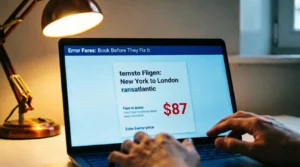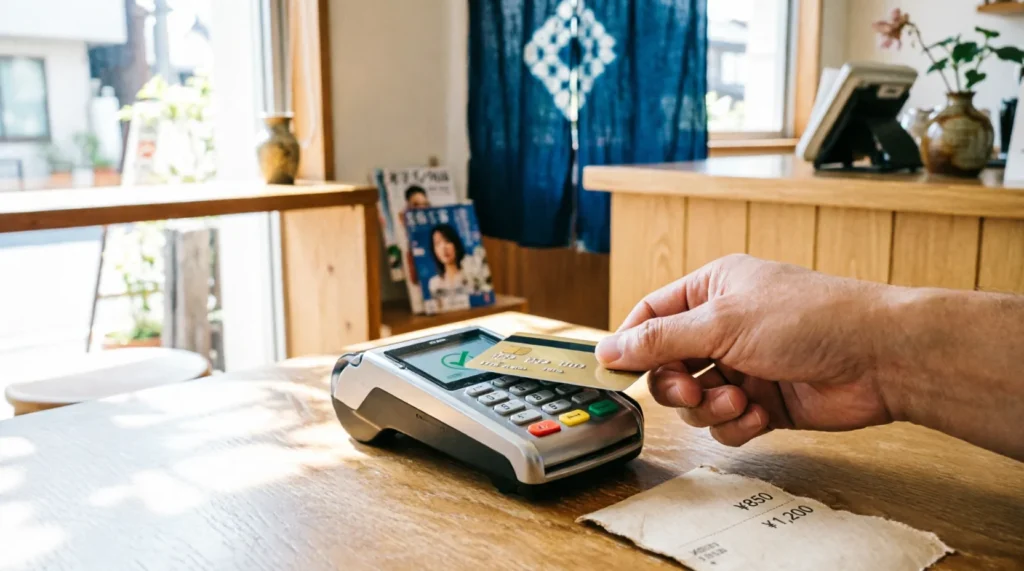
The best no foreign transaction fee credit cards save you 2–3% on every purchase abroad and remove one of the most common hidden travel costs. That sounds small until you spend ₹1,20,000 ($1,450) on a two-week trip and lose ₹2,400–₹3,600 ($30–$45) for nothing.
I learned this the hard way in Istanbul in 2024 — I used a standard debit card for hotels and meals, then checked my statement back home and saw a silent 3% charge on every transaction. No warning. No prompt. Just gone.
This guide compares the best no foreign transaction fee credit cards, shows real cost differences, and helps you choose the right one based on how you actually travel.
Overview
What “No Foreign Transaction Fee” Actually Means
A no foreign transaction fee credit card does not charge the typical 2–3% fee banks add when you pay in a foreign currency. That fee applies to everything — hotels, restaurants, taxis, even coffee.
The exchange rate still exists. The difference is you get the network rate (Visa/Mastercard), not an inflated bank rate stacked with fees.
Why It Matters More Than You Think
It matters because the fee compounds quietly across your trip. A €1,000 spend in Europe adds about ₹2,500–₹3,000 ($30–$35) in fees on a regular card (2025–2026 rates — verify before travel).
Multiply that across flights, hotels, and daily spending, and you’re paying for a meal you never ate.
Key Information
Verdict Table — Best Cards Compared
| Card Type | Annual Fee | FX Fee | Best For |
|---|---|---|---|
| Entry Travel Card | ₹0–₹5,000 ($0–$60) | 0% | First-time travelers |
| Mid-Tier Rewards | ₹8,000–₹15,000 ($100–$180) | 0% | Regular travelers |
| Premium Travel Card | ₹40,000+ ($500+) | 0% | Lounge + luxury perks |
(2025–2026 rates — verify before travel)
Real Cost Breakdown: With vs Without FX Fees
Without FX fee:
₹1,00,000 spend = ₹1,00,000 billed
With 3% FX fee:
₹1,00,000 spend = ₹1,03,000 billed
That ₹3,000 ($36) difference is pure loss — no rewards, no benefit.
Dynamic Currency Conversion (DCC) Explained
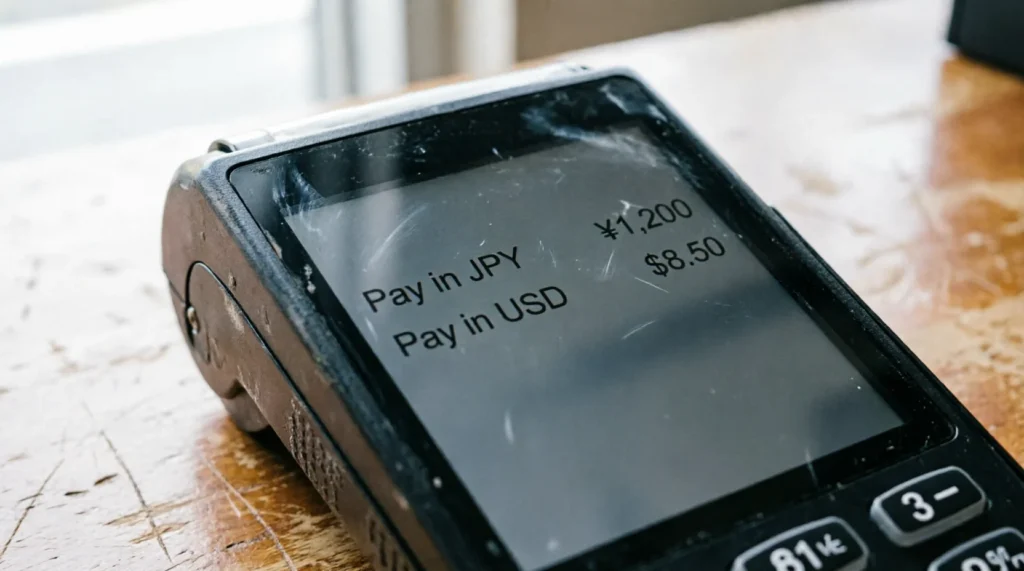
Dynamic Currency Conversion is when a payment terminal asks:
“Pay in INR or local currency?”
Always choose local currency.
If you select INR, the merchant applies their own exchange rate — usually 4–8% worse than the card network. That’s worse than the FX fee you were trying to avoid.
I’ve seen this in Bangkok and Rome — the terminal defaults to your home currency, hoping you won’t notice.
Practical Tips
When to Use Credit vs Debit Abroad
Use a no foreign transaction fee credit card for almost everything abroad. Debit cards should only be used at ATMs.
Credit cards give:
- Better exchange rates
- Fraud protection
- Chargeback rights
Debit cards don’t.
How to Avoid Hidden Fees at Checkout
Always decline:
- “Pay in your home currency”
- “Guaranteed exchange rate”
Both mean DCC is being applied.
If the cashier selects it without asking, stop the transaction and redo it. It’s your money.
Backup Strategy That Saves Trips
Carry at least two cards from different networks (Visa + Mastercard).
I lost access to my primary card in Vietnam once. The backup card saved the trip instantly. Without it, I would have been stuck transferring money at a high fee via Western Union — about $15 per transfer (2025–2026 rates — verify before travel).
Recommendations
Best Overall Card
A mid-tier travel credit card with zero FX fee and reward points gives the best balance. You save on fees and earn value back.
Best for Beginners
A no-annual-fee card with zero FX charges is enough. The goal isn’t rewards — it’s avoiding unnecessary loss.
Best for Premium Travel
Premium cards justify their ₹40,000+ ($500+) annual fee (2025–2026 rates — verify before travel) only if you use:
- Lounge access
- Travel insurance
- Hotel perks
Otherwise, you’re paying for benefits you won’t use.
Best Backup Setup
One credit card + one debit card with low ATM fees (like Wise or Schwab-style accounts) is the safest setup.
Wise charges around 1.75% above free ATM limits depending on usage (2025–2026 rates — verify before travel), but still beats most banks.
Frequently Asked Questions About No Foreign Transaction Fee Credit Cards
Do all travel credit cards have no foreign transaction fees?
No. Many basic cards still charge 2–3%. Always check the terms before applying — it’s not automatic.
Is it worth getting a card just for one trip?
Yes. Even one international trip can justify it if you spend ₹50,000+ ($600+). The avoided fees often exceed the effort.
Do ATMs charge foreign transaction fees too?
Yes. Your bank may charge both a foreign ATM fee and conversion fee. Use a debit card with low international withdrawal fees instead.
What happens if I choose the wrong currency at checkout?
You pay a worse exchange rate immediately. The transaction cannot be reversed unless refunded and reprocessed.
Continue Exploring
- travel finance guide for international trips: Build a complete spending plan before your trip — flights, daily costs, and hidden fees included.